
Ultrasonic Thin-Film Solar Cell Metal Layer Connection
Ultrasonic Thin-Film Solar Cell Metal Layer Connection-Sonic4lab
In the structural systems of thin-film solar cells such as cadmium telluride and copper indium gallium selenide , the connection quality of the back electrode metal layer directly determines the cell’s current extraction efficiency and long-term stability. These cells typically deposit a 50-200 nm thick aluminum or copper thin metal layer on a glass or flexible substrate as the back electrode. The core requirement is to achieve a reliable connection with the current collector, ensuring efficient current extraction from photoelectric conversion.
However, the structural characteristics of the thin metal layer present inherent challenges to the connection process. On the one hand, the extremely thin thickness of 50-200 nm results in very low mechanical strength of the metal layer itself, leading to weak adhesion to the substrate. On the other hand, flexible substrates such as PET materials have a heat resistance of less than 150°C, and while glass substrates have better heat resistance, they still cannot withstand drastic temperature fluctuations and mechanical pressure. Traditional welding processes rely on high-temperature heating and mechanical pressure to achieve the connection, which easily leads to metal layer detachment, peeling, and even substrate deformation and cracking, severely affecting the cell yield and lifespan.
The limitations of traditional connection methods have driven the research and application of low-damage connection technologies. Ultrasonic soldering irons, with their unique working principle, have become an ideal solution for the fragile structure of thin-film solar cells. Their core advantage lies in the synergistic effect of low-amplitude vibration and extremely low heat input, achieving reliable connections while maximizing the protection of the substrate and metal layer.
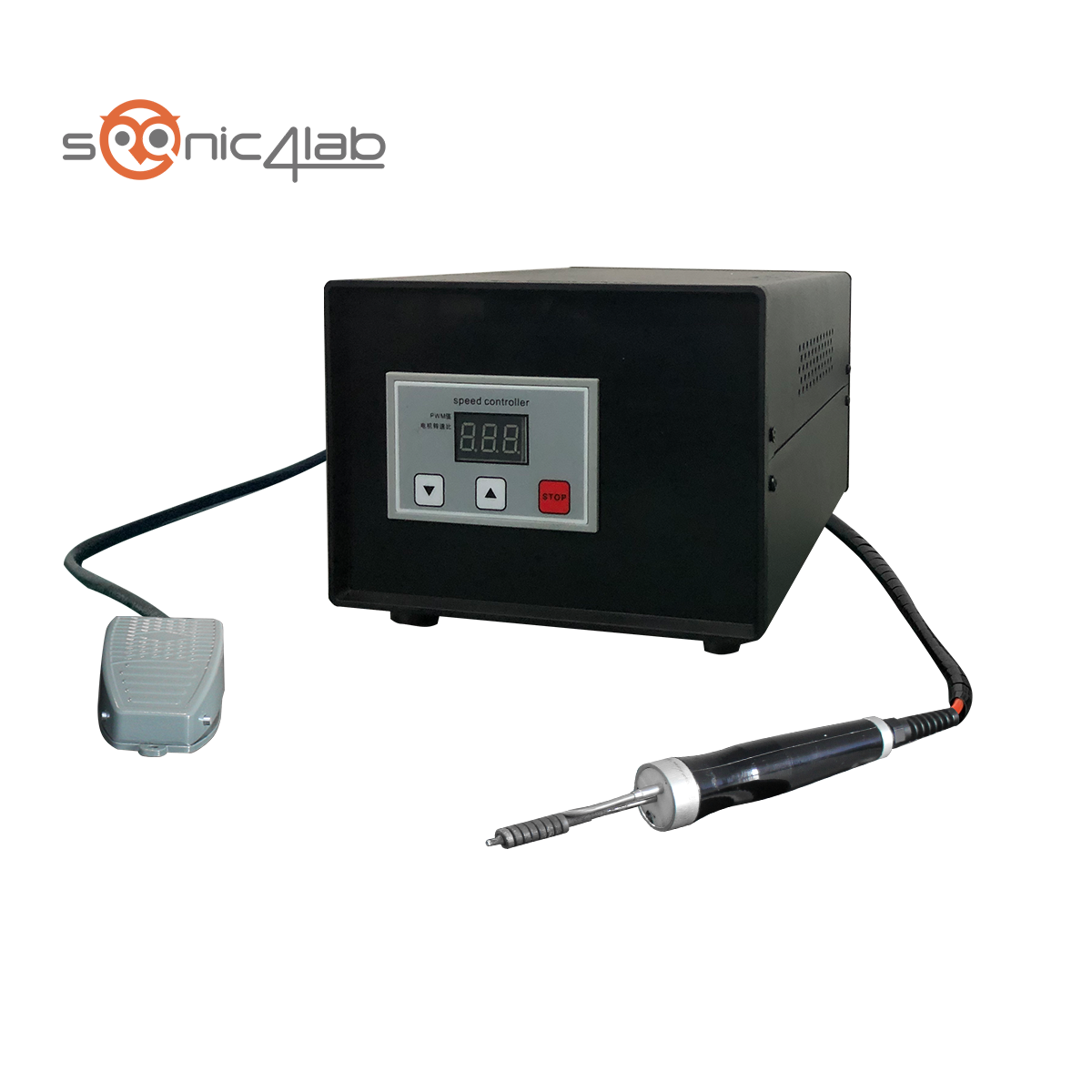
This technology uses high-frequency vibration with an amplitude of less than 5μm to break the oxide film on the surface of the metal layer without relying on high temperatures, allowing the metal layer and the current collector to form a tight atomic bond. Compared to traditional soldering, its heat input is controlled below 1W/mm², far below the tolerance threshold of flexible substrates and thin metal layers, fundamentally avoiding substrate deformation and metal layer detachment caused by high temperatures. Simultaneously, the localized connection method eliminates the need for large-area pressure, effectively reducing mechanical stress damage to the fragile structure, making it particularly suitable for the processing of flexible thin-film batteries.
The application of ultrasonic soldering irons also solves many additional problems associated with traditional processes. It eliminates the need for flux, avoiding the corrosive effects of flux residue on battery performance, while also reducing cleaning steps and improving production efficiency. Furthermore, this technology is adaptable to the connection requirements of different substrate materials and metal layers. Whether it’s the rigid structure of glass substrates or the flexible characteristics of PET substrates, stable connections can be achieved, enhancing the versatility of the process.
As thin-film solar cells develop towards lighter and more flexible designs, the importance of low-damage connection processes is becoming increasingly prominent. Ultrasonic soldering irons, with their precise damage control and efficient connection performance, provide a reliable solution for the connection of metal layers in thin-film batteries. This not only improves product yield and stability but also facilitates the large-scale application of thin-film solar technology in more scenarios.
If you want to purchase equipment, please click here.
