
Core Components of Small Electrode Windings
Core Components of Small Electrode Windings – Sonic4lab
The winding, as the “heart” of a small motor, is the core component for converting electrical energy into mechanical energy. Its design, material selection, and manufacturing process directly determine the motor’s efficiency, lifespan, and operational stability. From household fans to industrial auxiliary equipment, the reliable operation of small motors relies on the precise power of the winding.
Material selection is the foundation of winding design, focusing on two core elements: the conductor and the insulation layer. Conductor material determines the balance between conductivity and cost. Copper conductors, due to their high conductivity, excellent heat dissipation, and strong mechanical strength, are the preferred choice for mid-to-high-end small motors. Although aluminum conductors have only 60% the conductivity of copper, their lightweight and low-cost advantages make them widely used in cost-sensitive household motor applications. The copper-clad aluminum conductor, which has emerged in recent years, uses an aluminum core with a thin copper outer layer, balancing cost and performance, and its application share in the small and medium-sized motor field continues to increase.
The insulation layer grade determines the motor’s heat resistance limit and service life. According to international standards, insulation classes are classified into several levels based on permissible operating temperature. Class B (130℃) and Class F (155℃) are most suitable for small motors. Class B insulation uses materials such as polyester varnish and epoxy fiberglass cloth, offering moderate cost and meeting the needs of household motors such as washing machines and fans. Class F insulation uses modified polyester varnish as its core, providing superior heat resistance and is suitable for small asynchronous motors, automotive starter motors, and other applications. It is important to note that for every 10-15℃ increase in temperature, the insulation lifespan is approximately halved; therefore, proper selection is crucial for extending motor lifespan.
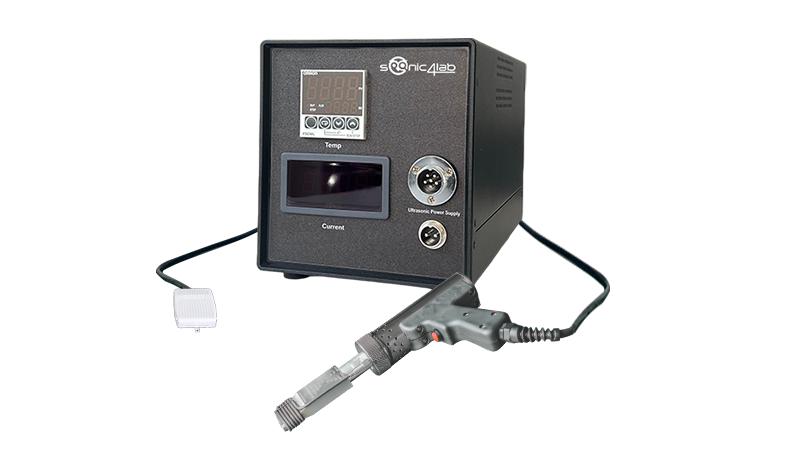
Small motor windings are primarily flexible, and can be classified into single-layer and double-layer types based on their structure. Motors of 10kW and below mostly use single-layer windings, with no interlayer insulation within the slot, facilitating wiring, maximizing space utilization, and adapting to semi-enclosed slot structures. Motors above 10kW commonly use double-layer windings, which can weaken harmonic magnetomotive forces through shorter pitch, resulting in neater end arrangement and more stable operation. Based on the embedding method, flexible windings can be further divided into embedded, wound, and through-type. Embedded windings, through mechanized assembly technology, have achieved mass production, significantly improving the consistency of small stator windings.
Windings are vulnerable components, with most failures stemming from insulation damage and short circuits. Short circuits can cause high temperatures in the winding, motor vibration, and abnormal noises, requiring precise fault location using methods such as current balancing and resistance testing. During repair, measures such as replacing insulating pads and repairing wires can be taken depending on the extent of damage. Minor faults can be repaired by inserting insulating paper, applying paint, and drying. Severe faults require replacing the wires using the threading method. In emergency situations, the coil-skipping method can be used as a temporary solution, but the number of skipped coils must be controlled.
In summary, the technical optimization of small motor windings requires consideration of material performance, structural design, and process control. Only by accurately matching the needs of the application scenario, selecting appropriate materials, and conducting routine maintenance can the core function of the windings be fully realized, providing reliable power support for various small motors.
If you want to purchase equipment, please click here.
