
Foil Welding Technology in Precision Manufacturing
Foil Welding Technology in Precision Manufacturing – Sonic4lab
In the field of precision manufacturing, foil materials, due to their excellent properties such as thinness, high efficiency, and energy saving, are widely used in various high-end industries such as electronics, aerospace, and new energy. Foil welding, as the core process for connecting foil materials, directly determines the performance and reliability of the end product, becoming a crucial cornerstone for driving the upgrading of high-end manufacturing.
The core challenge of foil welding lies in the extremely thin thickness of the foil, typically ranging from a few micrometers to tens of micrometers. Traditional welding processes easily lead to material burn-through, deformation, or excessive defects, failing to meet the requirements of precision connections. Therefore, the industry commonly adopts high-energy beam welding technologies, such as laser welding and electron beam welding. These technologies offer advantages such as high energy density, concentrated heating, and a small heat-affected zone, enabling high-quality foil connections under precise heat input control. Taking laser welding as an example, the focused laser beam can form an extremely small weld pool, effectively reducing damage to non-welded areas of the foil and ensuring the strength and sealing of the weld joint.
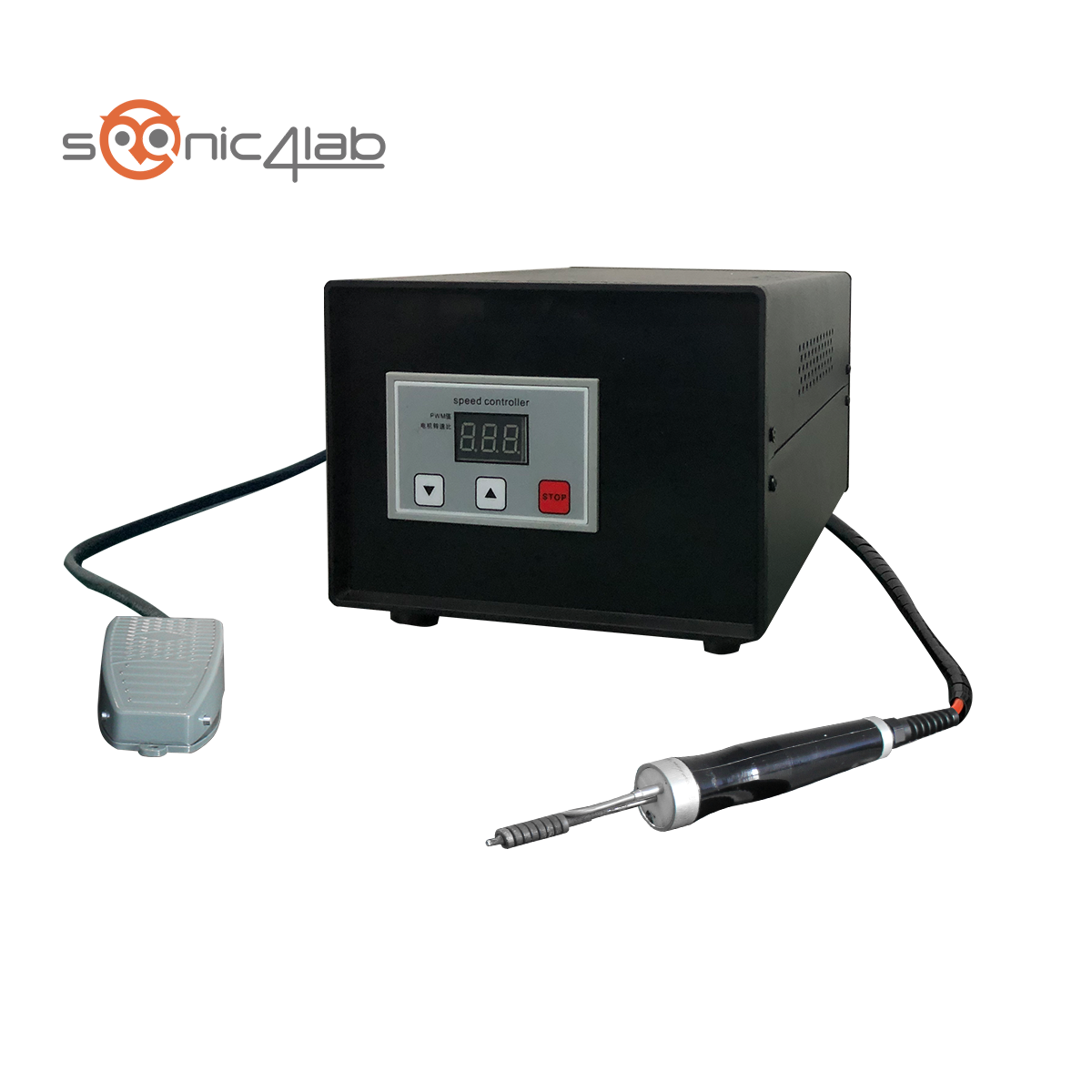
Different application scenarios have significantly different requirements for foil welding, which has driven the personalized development of welding technologies. In the electronics industry, welding lithium battery tab foils requires a balance between high conductivity and low resistance loss. Ultrasonic welding or laser spot welding techniques are typically used to ensure uniform and stable joint resistance, preventing overheating from affecting battery life and safety. In the aerospace field, welding titanium and aluminum alloy foils demands extremely high joint strength and corrosion resistance. Electron beam welding, with its advantage of welding in a vacuum environment, effectively reduces oxidation reactions and ensures stable weld quality. In the new energy photovoltaic field, copper and aluminum foil welding needs to adapt to large-scale mass production requirements, making efficient continuous laser welding technology the mainstream choice, enabling automated and high-precision continuous operation.
With the continuous upgrading of high-end manufacturing industries, foil welding technology is also undergoing continuous innovation and breakthroughs. On the one hand, the intelligence level of welding equipment is constantly improving. By introducing machine vision, real-time monitoring, and feedback control systems, online monitoring and precise control of the molten pool state and joint quality during the welding process can be achieved, significantly reducing human error. On the other hand, new welding processes are constantly emerging, such as composite welding technology that combines two or more welding methods, balancing efficiency and quality, further expanding the application range of foil welding. Meanwhile, the optimization of welding processes for difficult-to-weld foil materials is continuously advancing. By adjusting welding parameters and developing specialized welding materials, traditional technical bottlenecks are being overcome, enabling reliable connections of more special foil materials.
The development of foil welding technology is closely linked to the needs of high-end manufacturing industries. In the future, as the requirements for miniaturization, lightweighting, and high performance in fields such as electronics, aerospace, and new energy continue to increase, foil welding will move towards greater precision, efficiency, and intelligence.
If you want to purchase equipment, please click here.
