
Key Points of Copper Wire Welding Process
Key Points of Copper Wire Welding Process – Sonic4lab
Copper wires, with their excellent electrical and thermal conductivity and corrosion resistance, are widely used in power transmission, electronic equipment, automotive circuits, and other fields. Welding is the core process for ensuring the reliability of copper wire connections. High-quality welded joints ensure stable current conduction and avoid safety hazards such as overheating and malfunctions caused by poor contact. Therefore, mastering scientific welding methods is crucial.
The core difficulty in copper wire welding stems from copper’s high thermal conductivity, which far exceeds that of ordinary steel. This leads to rapid heat loss, making it difficult to form a uniform molten pool and easily causing defects such as porosity and hot cracks. Given this characteristic, pre-welding preparation is particularly critical. First, the oxide film and oil on the wire surface must be removed using mechanical or chemical methods to prevent impurities from affecting the fusion quality. Depending on the wire specifications, 1-2 cm of insulation should be stripped, taking care to protect the copper core from damage. Welding should be completed within 4 hours after cleaning to prevent secondary oxidation.
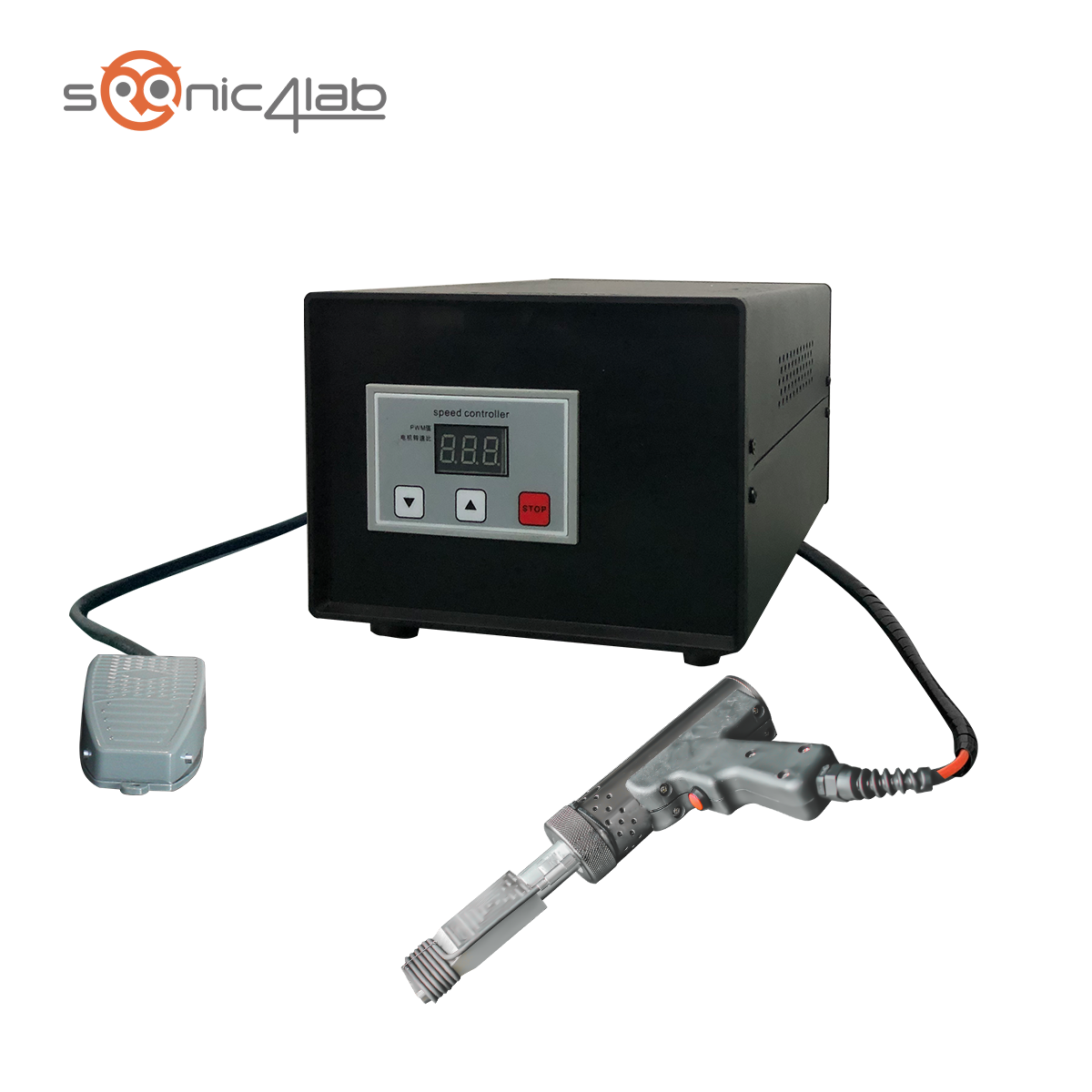
Common copper wire welding processes are suitable for different scenarios. Manual TIG welding is suitable for medium-thickness wires and high-precision applications. When welding, use welding wire containing deoxidizing elements and argon gas protection. For plates thicker than 3 mm, preheat to 350-500℃, using a short arc and straight-line welding motion to reduce heat loss. Ultrasonic welding, as a solid-state welding technology, does not require high-temperature melting. It achieves interatomic bonding through high-frequency vibration, making it particularly suitable for connecting thin copper wires and stranded wires. It avoids damage to wire performance caused by high temperatures and is widely used in power batteries, electronic components, and other fields.
Parameter control during the welding process directly determines the joint quality. When soldering thin wires with a soldering iron, use a 25W-40W constant-temperature model, preheat to 200-250℃, and use rosin-core solder wire to assist fusion. After the solder joint is formed, allow it to cool naturally and set; do not forcibly touch it. For brass wires, because zinc is easily evaporated, the welding speed must be controlled. If necessary, use silicon bronze welding wire to inhibit zinc burn-off. After welding, perform annealing at 300-400℃ to eliminate internal stress.
Common welding defects require targeted prevention. Porosity is mostly caused by hydrogen intrusion; therefore, it is essential to ensure that the welding wire, shielding gas, and workpiece surface are dry and clean, and the ambient humidity is controlled below 70%. Hot cracking can be avoided by using anti-cracking welding wire containing silicon and manganese, and by rationally arranging the welding sequence to reduce restraint stress. After welding, use a multimeter to check the continuity, observe whether the solder joint is full and free of slag inclusions, and clean any defective joints with a desoldering pump before re-soldering.
Safe operation is a prerequisite for welding work. Wear protective gloves during operation, maintain ventilation in the work area, keep away from flammable materials, and avoid inhaling harmful gases generated during welding. Also, avoid dry-burning the soldering iron to prevent tool damage and potential hazards.
Copper wire welding requires consideration of process compatibility, parameter accuracy, and operational standardization. Only through scientific preliminary preparation, reasonable process selection, and strict quality inspection can stable and reliable connections be created, ensuring the safe operation of various electrical equipment.
If you want to purchase equipment, please click here.
