
Lithium-ion Battery Aluminum-to-Copper Tab Welding Process
Lithium-ion Battery Aluminum-to-Copper Tab Welding Process
In the lithium-ion battery manufacturing process, tab welding is a core process that determines the battery’s conductivity, structural stability, and safe lifespan. Aluminum-to-nickel and aluminum-to-copper welding, as dissimilar metal joining technologies, are widely adaptable to the performance requirements of different battery types. The precision of this process directly affects the overall reliability of the battery, making it a key technical challenge for the industry.
Aluminum-to-nickel welding is mainly used in scenarios such as pouch batteries. Its core value lies in solving the problem of directly soldering aluminum tabs, while simultaneously improving the oxidation resistance and mechanical strength of the connection area. Aluminum surfaces easily form a dense oxide film, and its metallurgical properties differ significantly from those of nickel. Welding can easily produce brittle compounds, leading to incomplete welds or solder joint breakage. Currently, the mainstream methods are laser welding and ultrasonic welding. Laser welding fuses metals through high energy density, resulting in a small heat-affected zone, making it suitable for precision connections. Ultrasonic welding relies on high-frequency vibration to break the oxide film, forming a solid metallurgical bond, suitable for processing thin tabs.
Aluminum-to-copper welding is primarily used in power and energy storage batteries where higher conductivity is required. Copper’s low resistivity effectively reduces internal resistance and improves charge/discharge rate performance. However, the significant difference in melting points between aluminum and copper can lead to insufficient penetration, severe spatter, and joint failure due to electrochemical corrosion. The process requires optimizing welding parameters and using inert protective gases to reduce oxidation and brittle phase formation, while controlling heat input to avoid short circuits caused by excessive copper melting.
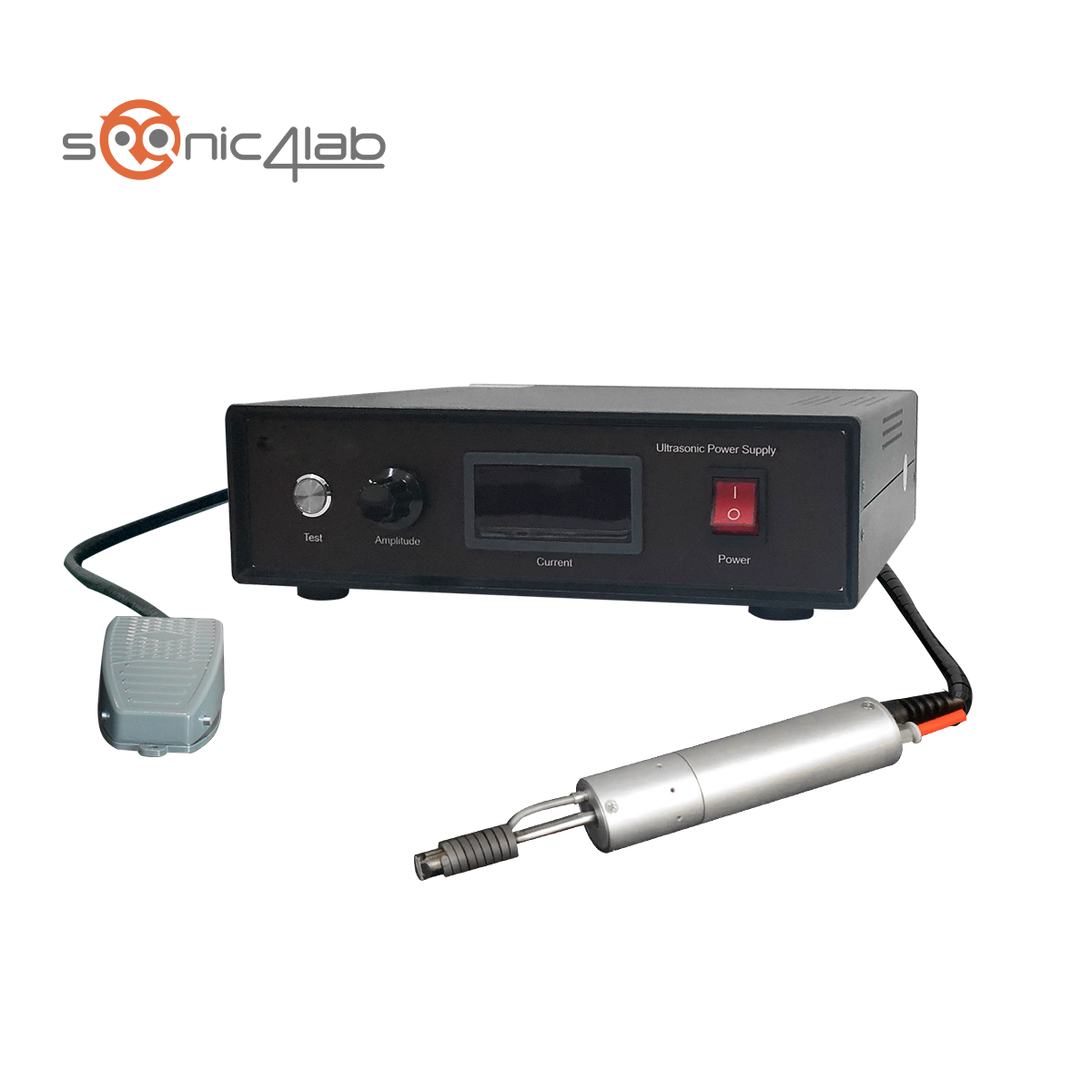
Quality control for both welding processes must be maintained throughout the entire process. Before welding, plasma or laser cleaning is necessary to thoroughly remove oil and oxide films from the electrode surface, ensuring a clean contact surface. Precision fixtures are used to achieve zero-gap positioning, preventing excessive gaps that could lead to incomplete welds. During welding, key parameters must be monitored in real time. For laser welding, power, pulse width, and defocusing are crucial; for ultrasonic welding, stable amplitude and pressure are essential, along with the use of inert gases to isolate the weld from air and reduce defects.
Post-weld inspection is a critical step in quality assurance. Automated optical inspection is used to detect surface defects such as weld cracks and spatter. A micro-ohmmeter is used to test contact resistance, ensuring low and stable resistance values. Regular sampling for tensile testing and metallographic analysis verifies the tensile strength and fusion quality of the weld joints, preventing issues like battery overheating and capacity decay caused by incomplete or over-welded connections.
As lithium batteries develop towards higher energy density and safety, aluminum-to-nickel and aluminum-to-copper welding are being upgraded towards intelligence and high precision. The application of adaptive parameter adjustment systems and AI visual monitoring technology will further improve welding consistency, laying a solid technological foundation for the application of lithium batteries in various fields.
If you want to purchase equipment, please click here.
