
Overview of Ultrasonic Indium Coating Machines
Overview of Ultrasonic Indium Coating Machines – Sonic4lab
Ultrasonic indium coating machines, also known as target welding machines, are core specialized equipment in the fields of precision optoelectronics, semiconductors, and new energy target manufacturing. They are primarily used for precision indium coating of various metallic and non-metallic materials such as copper plates, ITO glass, and silicon dioxide, and are particularly suitable for surface coating operations on internal hole targets. In the traditional production model of the industry, most companies have long relied on the outdated process of manual scraping for indium coating. This traditional method has low barriers to entry, lacks specialized equipment, and cannot meet the production standards of modern precision manufacturing, gradually becoming a major bottleneck restricting product quality upgrades, capacity increases, and cost control. Shanghai Hanling’s independently developed ultrasonic indium coating machine specifically replaces the traditional manual scraping process, comprehensively solving various drawbacks of manual indium coating and providing a new solution for standardized, automated, and precise indium coating production in the industry.
Traditional manual indium coating processes have many unavoidable inherent defects, the most prominent being the inability to guarantee coating uniformity. Manual indium coating relies entirely on the operator’s experience, technique, and pressure control, lacking standardized quantitative criteria. When applying indium to various materials such as copper, glass, ceramics, and silica, it is prone to problems like uneven coating thickness, localized buildup, and sparse coating. Uneven indium layers directly affect the electrical and thermal conductivity and adhesion properties of the target material and workpiece, leading to decreased product stability, parameter deviations, and a significant reduction in finished product yield, failing to meet the requirements of high-precision components.
Poor coating adhesion and easy peeling are the second major pain point of manual indium coating. Manual scraping is a physical surface bonding method, simply adhering the indium to the workpiece surface without achieving deep adhesion and penetration. The bonding strength between the coating and the substrate is extremely low. During subsequent assembly, high-temperature operations, and long-term use, the indium layer is prone to peeling, cracking, and detachment, not only causing product scrap but also affecting the operational stability of the entire equipment, creating after-sales risks and reputational damage for the company, making it difficult to meet the mass production demands of high-quality products.
From the perspective of production efficiency and labor costs, the drawbacks of traditional manual indium coating are particularly prominent. Manual indium coating relies entirely on manual operation, resulting in cumbersome processes, slow speed, and long processing times for single workpieces, making continuous mass production impossible. With rising labor costs year after year, companies need to invest significant manpower and resources in basic indium coating operations. This not only leads to extremely low production efficiency but also introduces numerous uncertainties such as shift scheduling, staff turnover, and operational errors, severely limiting production line capacity expansion and making it difficult to meet the demands of large-volume orders.
Furthermore, manual indium coating suffers from severe indium waste. Indium is a scarce and expensive precious metal, a core consumable in indium coating production. Manual operation cannot precisely control the coating thickness and material usage. To avoid defects caused by missed or thin coatings, operators often apply excessive amounts of indium, resulting in significant unnecessary waste of precious metals. This greatly increases raw material production costs, compresses profit margins, and hinders refined cost control.
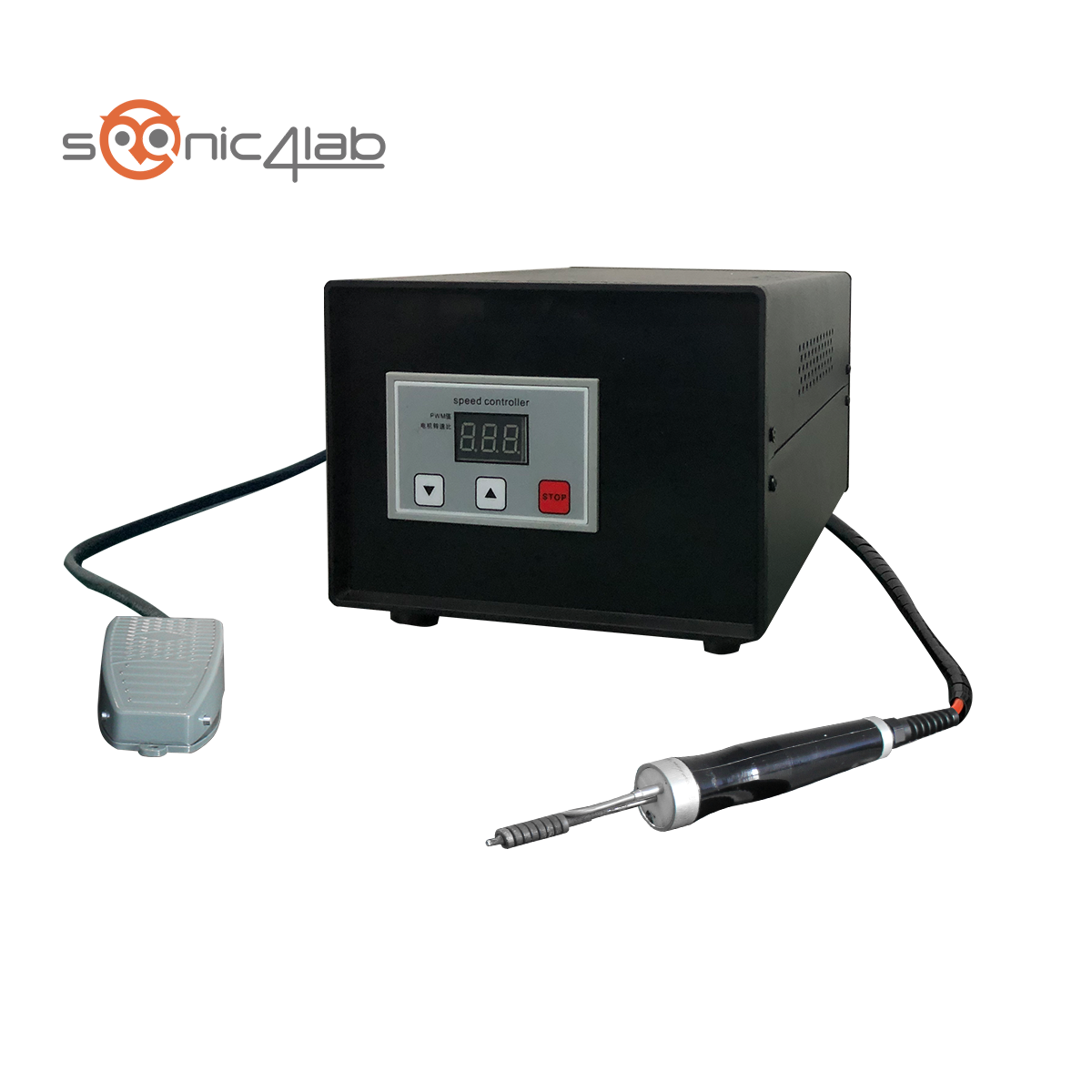
Addressing these common industry pain points, Shanghai Hanling Ultrasonic Indium Coating Machine, with advanced ultrasonic vibration technology at its core, completely overturns the outdated traditional manual scraping production model, focusing on precision indium coating of internal targets and various planar substrates. The equipment utilizes controllable high-frequency ultrasonic vibration to achieve uniform melting and precise spreading of indium material, eliminating the need for manual scraping. It allows for precise control of coating thickness, ensuring a uniform, unbiased coating with strong adhesion and long-lasting durability. The fully automated process significantly improves production efficiency, reduces reliance on manual labor, and precisely measures material usage, saving on expensive indium consumables and effectively lowering production costs.
The Shanghai Hanling Ultrasonic Indium Coating Machine perfectly replaces the traditional manual indium coating process, solving the industry problems of poor quality, low efficiency, high cost, and high waste associated with manual indium coating. It is suitable for processing various metal and non-metal substrates and internal hole targets, helping manufacturing enterprises upgrade their indium coating processes to automation, precision, and low cost. It is the preferred equipment for upgrading and replacing traditional precision target manufacturing equipment.
If you want to purchase equipment, please click here.
