
Overview of Ultrasonic Indium Coating Machines
Overview of Ultrasonic Indium Coating Machines – Sonic4lab
Ultrasonic indium coating machines, also known in the industry as target welding machines, are specialized precision coating equipment suitable for high-end fields such as semiconductors, optoelectronic displays, precision new materials, and new energy. They primarily provide professional indium coating services for various metal and non-metal workpieces, including copper plates, ITO glass, and silicon dioxide. Breaking through the limitations of traditional processing, the equipment supports integrated indium coating operations on workpieces of various shapes, including flat surfaces, internal holes, and external circles. It boasts extremely high versatility and is currently an intelligent upgrade to replace the outdated traditional manual indium coating process. It effectively solves various production drawbacks of traditional processes, helping enterprises achieve standardization, precision, and efficiency upgrades in indium coating procedures.
In traditional precision workpiece indium coating production, most enterprises have long relied on manual indium coating. This purely manual operation mode lacks standardized parameter control and relies entirely on the operator’s experience and technique, resulting in many unavoidable inherent defects that severely restrict product quality and production capacity improvement. First, manual indium coating suffers from extremely poor uniformity. Inconsistent operator techniques, application speed, and coverage lead to uneven indium layer thickness, localized build-up, and areas of insufficient coverage on the workpiece surface. Uneven indium coatings directly affect the workpiece’s electrical conductivity, thermal conductivity, and adhesion, resulting in deviations in finished product parameters, performance instability, and a significant reduction in product yield, failing to meet the standards for high-precision components.
Second, manual indium coating exhibits extremely poor adhesion and insufficient product stability. Manual coating only achieves a simple surface physical bond; the indium material cannot deeply fuse with the workpiece substrate, resulting in very low coating-substrate bonding strength. During subsequent assembly, high-temperature operation, and long-term use, the indium layer is prone to peeling, cracking, and complete detachment, not only causing direct workpiece scrap and increased production losses but also leading to malfunctions in end-equipment, resulting in high after-sales costs and reputational damage for the company. This makes it completely unsuitable for mass production of high-quality products.
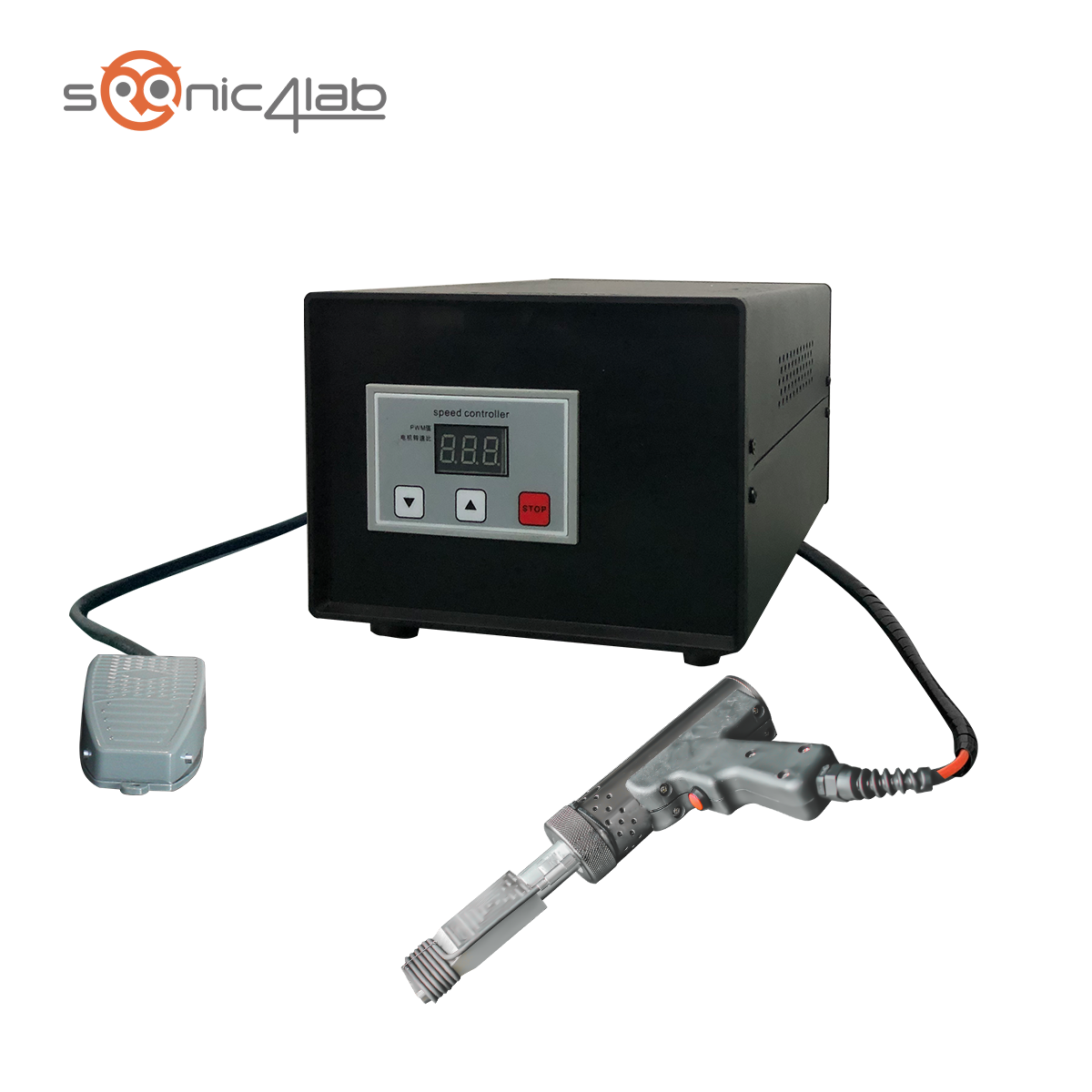
Furthermore, traditional manual indium coating is inefficient and consumes enormous amounts of labor. Manual indium coating is a cumbersome and slow process. Whether for flat sheets, internally bored pipes, or irregularly shaped workpieces, manual processing is time-consuming and has extremely low throughput, making continuous mass production impossible. With the continuous rise in industrial labor costs, companies need to invest heavily in manual labor for the basic indium coating process, while simultaneously facing problems such as staff turnover, operational errors, and employee training. This severely limits production line capacity expansion, making it difficult to meet the production demands of large-volume orders and seriously hindering business development.
Furthermore, manual operation easily leads to the waste of expensive indium metal. Indium is a scarce and precious metal with high procurement costs, making it a core consumable in indium coating. Manual operation cannot accurately control the coating thickness and material usage. To avoid product defects caused by missed or thin coatings, operators commonly over-coat indium, resulting in significant unnecessary waste of precious metals. This significantly increases raw material production costs, compresses product profit margins, and hinders refined cost control.
Addressing these common industry pain points, sonic4lab Ultrasonic Indium Coating Machine, relying on advanced ultrasonic high-frequency vibration physical technology, completely revolutionizes the traditional manual scraping process. This equipment is suitable for processing all types of workpieces, including flat surfaces, internal holes, and external circles. Through precise and controllable high-frequency vibration, it ensures the indium material melts evenly and spreads densely, resulting in a uniform, flawless coating with strong adhesion and long-lasting durability. The automated operation mode eliminates reliance on manual labor, significantly improving production efficiency. Simultaneously, precise quantitative material control saves on indium material waste at the source, effectively reducing labor and material costs.
Overall, the sonic4lab Ultrasonic Indium Coating Machine, with its core advantages of being adaptable to all scenarios, high precision, high efficiency, material-saving, and highly stable, perfectly replaces the outdated manual indium coating process. It solves the industry’s core problems of poor quality, low efficiency, and high cost, making it the preferred core equipment for modern precision manufacturing industries to improve quality, reduce costs, and upgrade their processes.
